

Why Every Food Business Needs a Hygiene System: Lessons from a Real Case
A recent report by The Telegraph highlights a serious food safety breach that underscores exactly why structured hygiene systems like SFBB Pro are essential for any food business.
A businessman, Stephen Akuoko, 62, had been supplying ready meals to supermarkets and local shops under the name Tribal Foods for over three years. However, an investigation revealed shocking hygiene practices taking place behind the scenes.
Authorities struggled to inspect the business until an unexpected incident occurred. In October 2024, firefighters were called to Akuoko’s flat in Watford following a wok fire. What they discovered raised immediate concerns about food safety and public health.
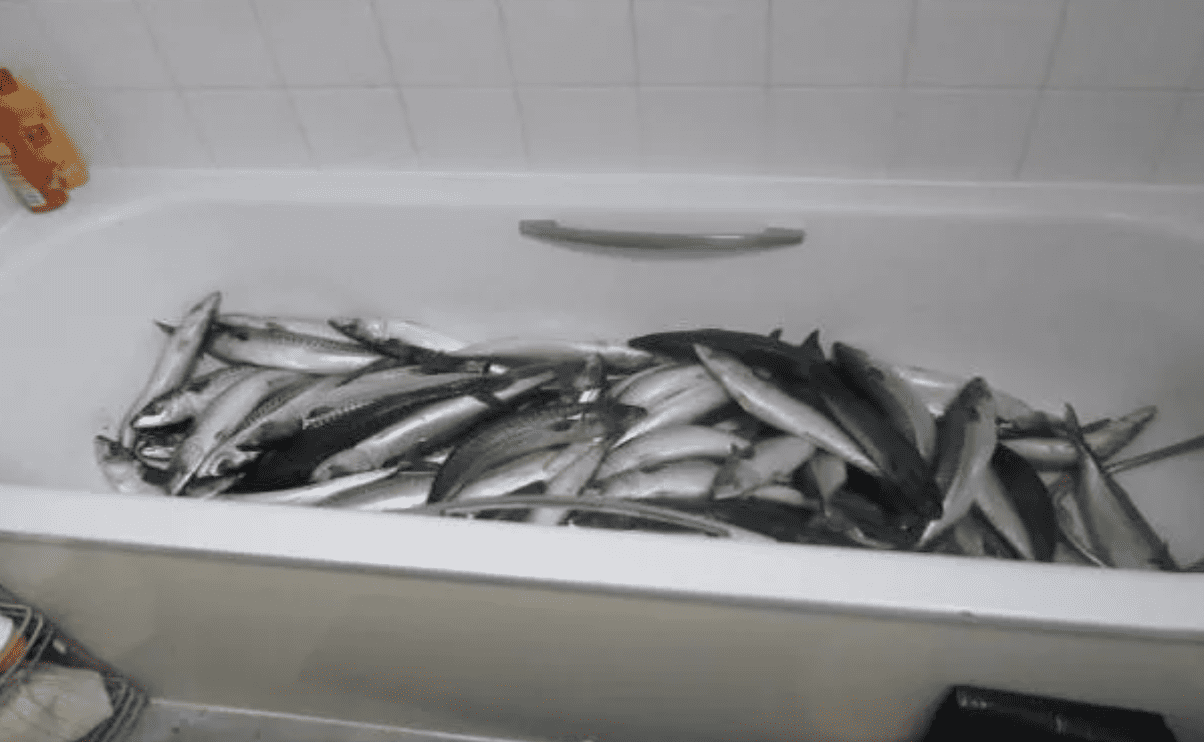
Large quantities of mackerel were found stored in completely unsuitable conditions — including in a bath and even on the bathroom floor next to a toilet.
Judge Francis Sheridan said: “Your little business got bigger than you could handle and you resorted to frankly disgusting techniques – fish on the floor of the bathroom, fish in the bathtub, and then you cooked them up and sold them.
“You must realise that food poisoning can have very serious consequences, even death, and if that had happened you would be facing manslaughter charges.”
He sentenced Akuoko to two years in custody, suspended for two years. An order was made banning Akuoko from operating any food business for five years.
What Went Wrong?
This case highlights several critical failures that any proper food hygiene system is designed to prevent:
1. Lack of Safe Food Storage
Food was stored in contaminated environments, creating a high risk of bacterial contamination. Bathrooms are strictly unsuitable for food storage due to exposure to harmful pathogens.
2. No Separation of Clean and Dirty Areas
A fundamental principle of food safety is keeping food preparation areas separate from sources of contamination. This was clearly not followed.
3. Absence of Monitoring and Controls
There was no evidence of temperature control, stock rotation, or cleanliness checks — all core elements of a structured system like SFBB.
4. No Documentation or Accountability
Without a documented system, there is no way to prove food is being handled safely or consistently.
How SFBB Prevents Situations Like This
The SFBB (Safer Food, Better Business) system is designed to ensure food businesses operate safely, legally, and consistently. If properly implemented, it would have prevented every issue seen in this case.
✔ Safe Storage Practices
SFBB requires clear procedures for storing food in hygienic, designated areas — never in places like bathrooms.
✔ Cleaning and Hygiene Controls
Regular cleaning schedules and hygiene checks ensure that all food areas remain safe and contamination-free.
✔ Cross-Contamination Prevention
The system enforces strict separation between clean and dirty zones, reducing the risk of harmful bacteria spreading.
✔ Record Keeping
Daily diary entries and checks create accountability and allow enforcement officers to verify compliance.
✔ Staff Awareness
Even in small businesses, SFBB ensures that anyone handling food understands basic safety requirements.
The Bigger Picture: Protecting Customers and Your Business
This case is not just about poor practice — it’s about risk to public health. Improper food handling can lead to food poisoning, legal action, fines, and permanent business closure.
A food safety app like SFBB Pro is not just paperwork — it is a practical tool that:
- Protects your customers
- Keeps your business compliant with the law
- Builds trust with suppliers and retailers
- Prevents costly enforcement action



No comment